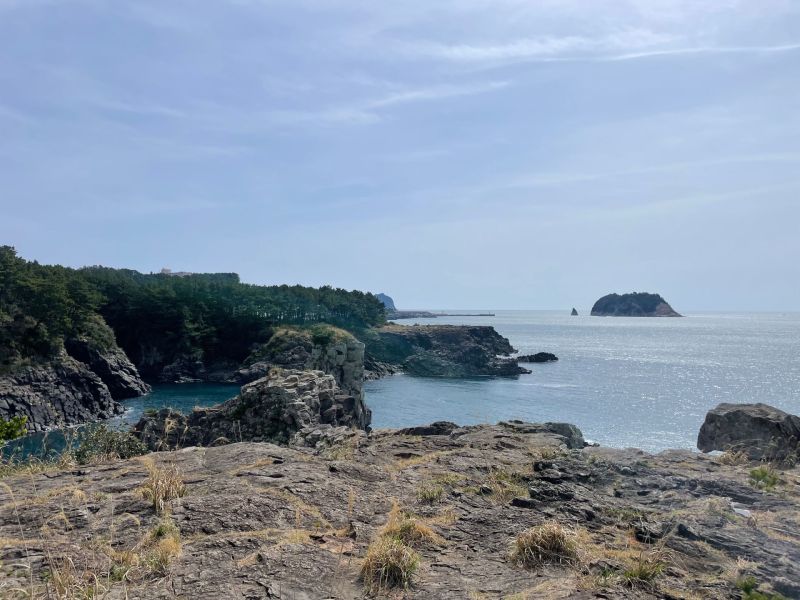
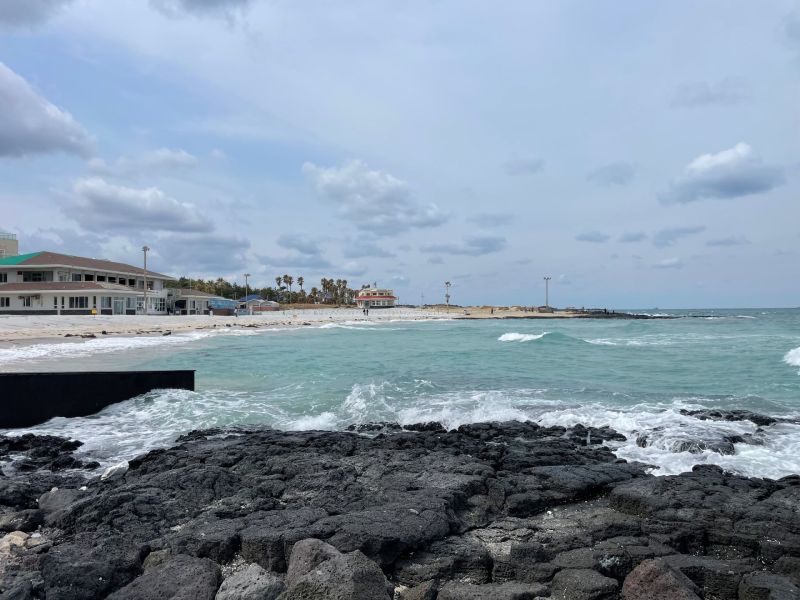
✦ Oedolgae was formed when molten rock was worn down over time by natural forces. According to a local legend, it is said that an old woman turned into this rock after waiting sadly for her husband, who never came back from a fishing trip.
click and hold onto the images to see them better!
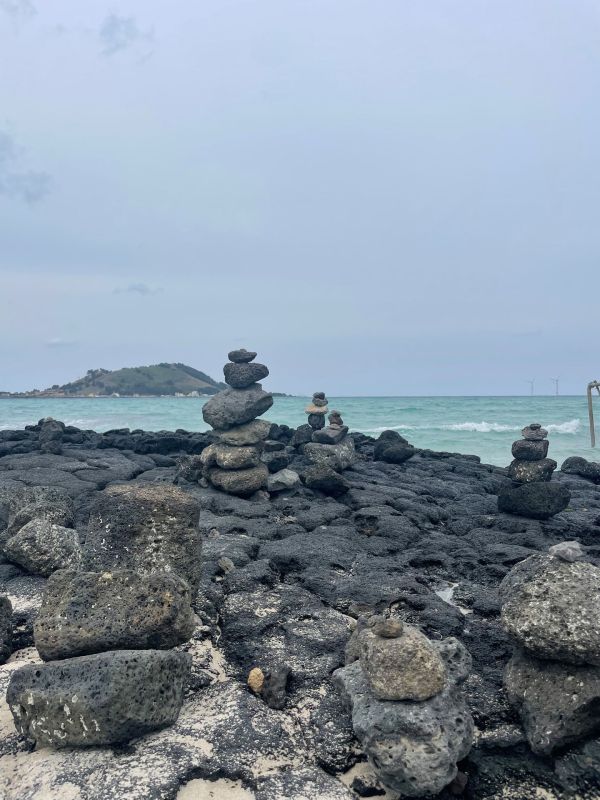
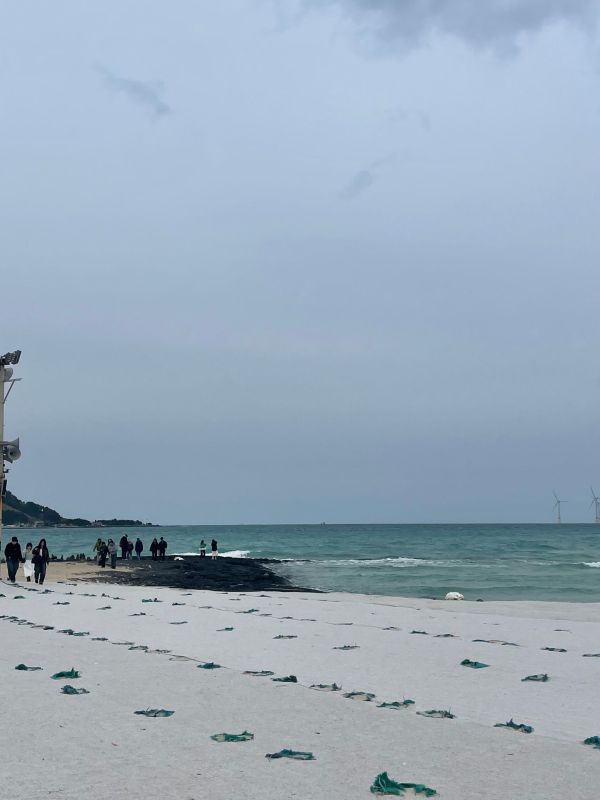


✦ Oedolgae was formed when molten rock was worn down over time by natural forces. According to a local legend, it is said that an old woman turned into this rock after waiting sadly for her husband, who never came back from a fishing trip.

✦ At Cheonjiyeon Falls, white water crashes down from a rocky cliff, making a loud, booming sound. The name means "where the sky meets the land."
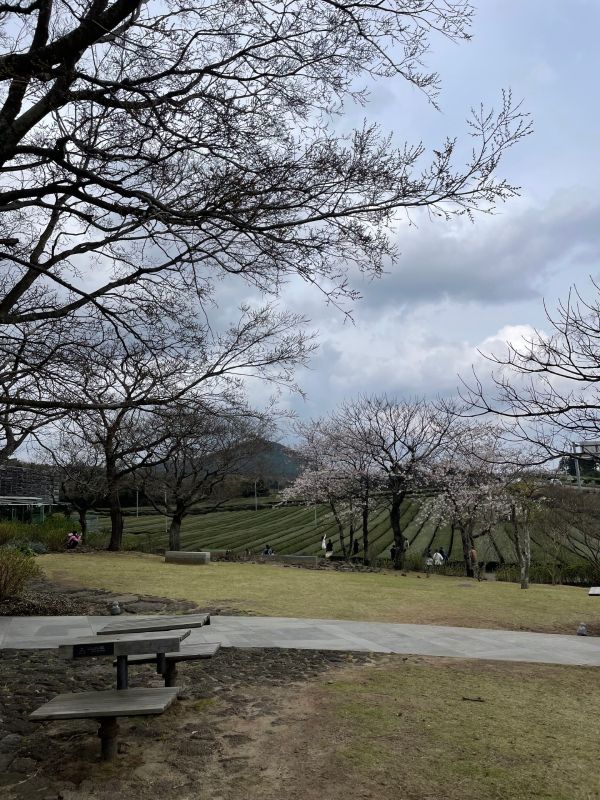
✦ The O'sulloc Tea Museum is next to the Seogwang Tea Plantation in Jeju and was opened by Amore Pacific in 2001. Its goal is to share Korean tea and traditional tea culture. The museum is a place where both Eastern and Western cultures, as well as old and new traditions, come together.
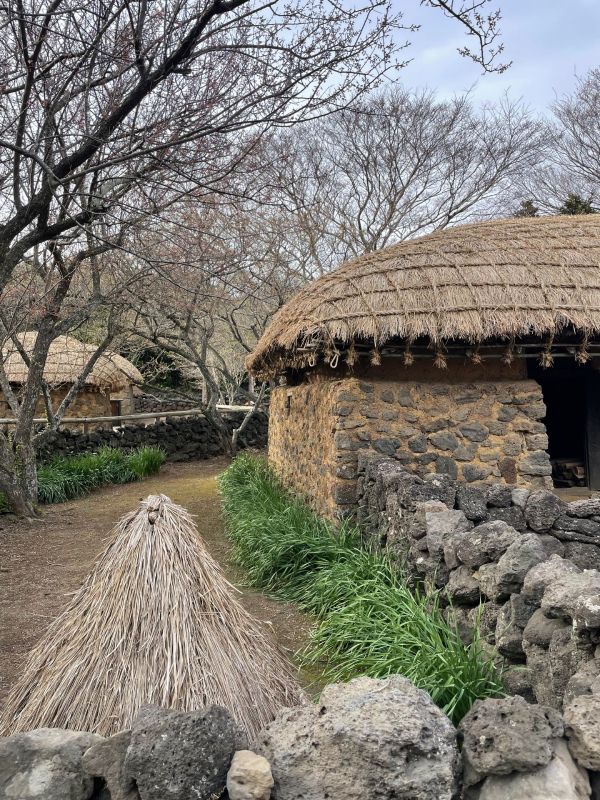
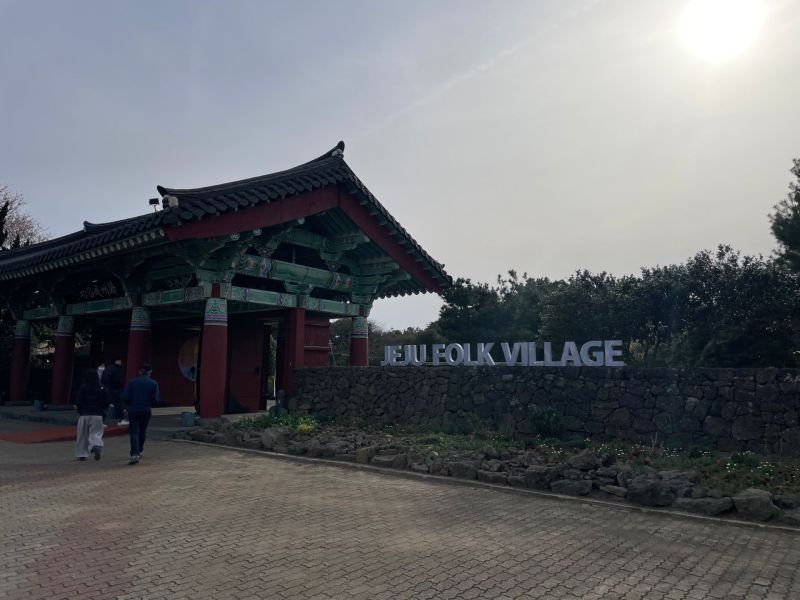
✦ Jeju Folk Village (Jeju Minsokchon) is a museum where you can see and experience what life was like on Jeju Island in the 1800s. It doesn’t just show old things—it brings the past to life by recreating how people lived and followed traditions during that time.
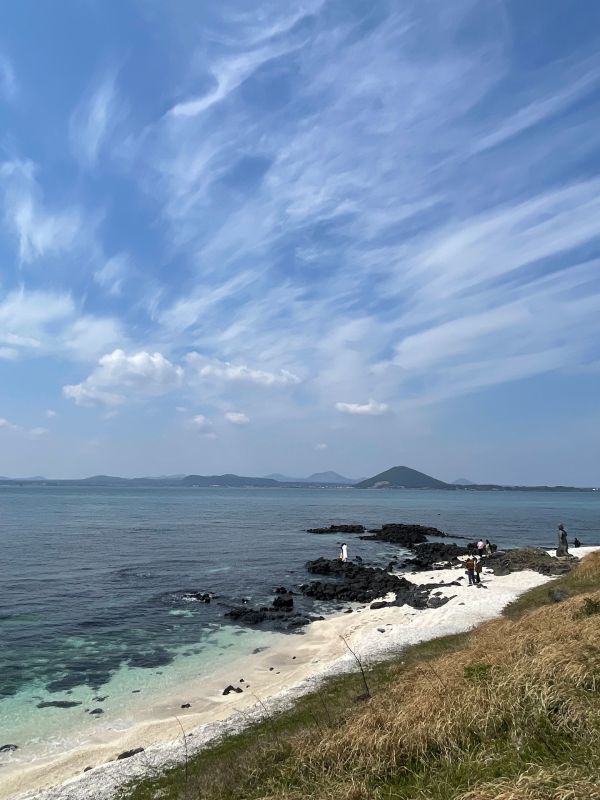
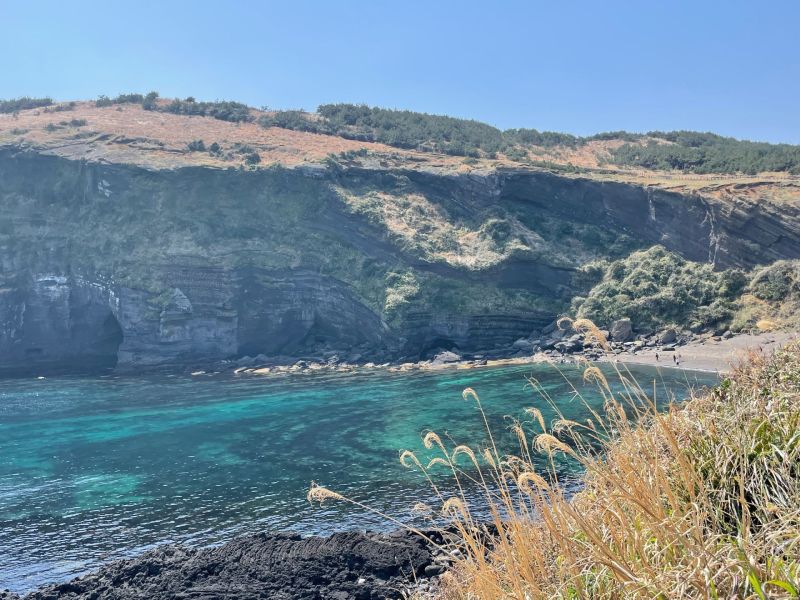
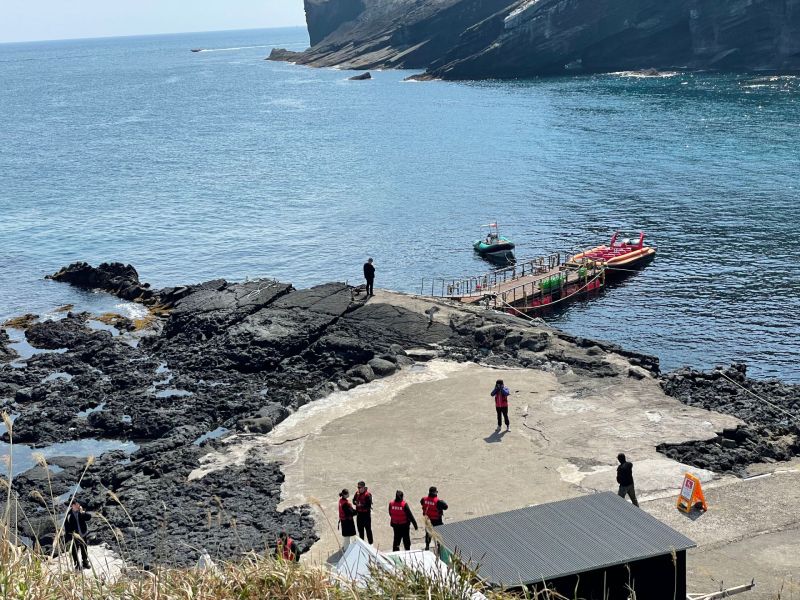
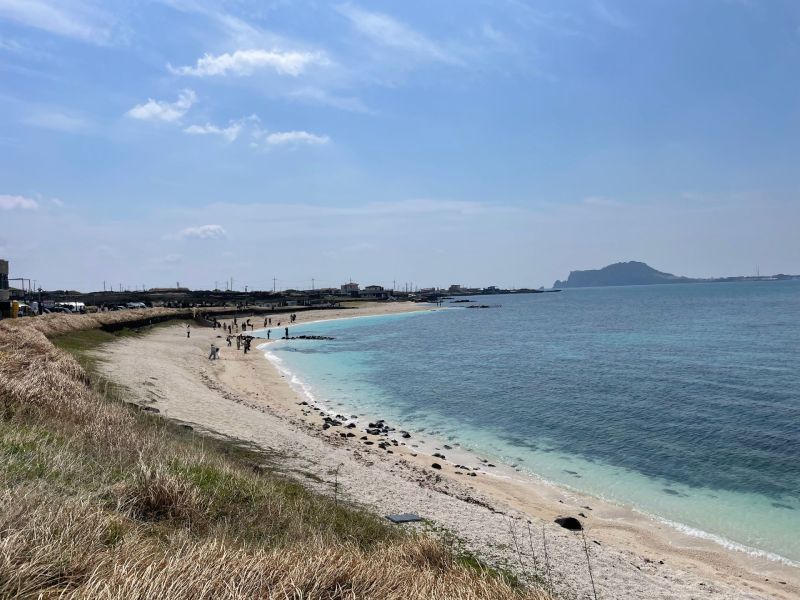
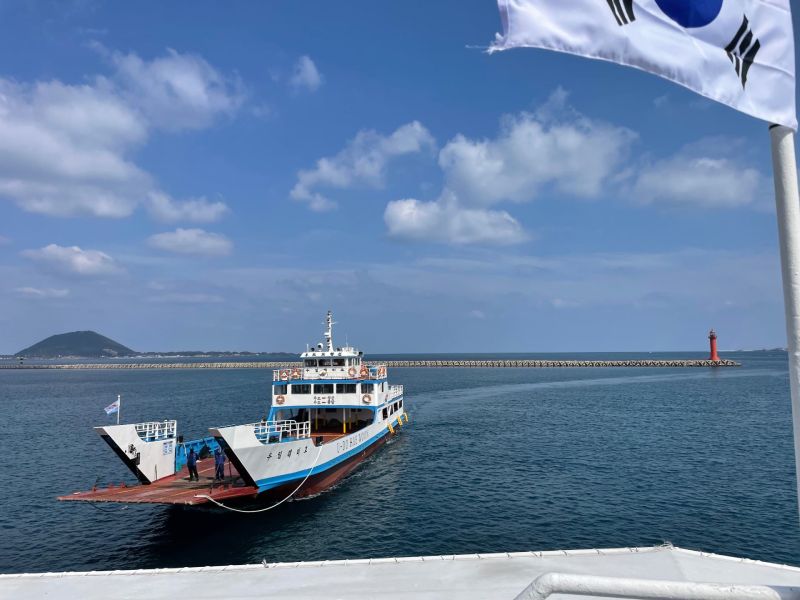
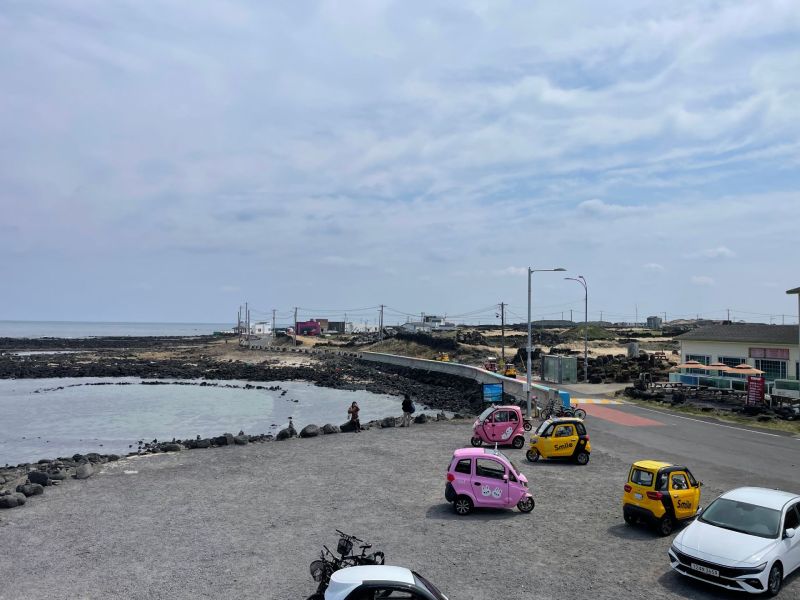
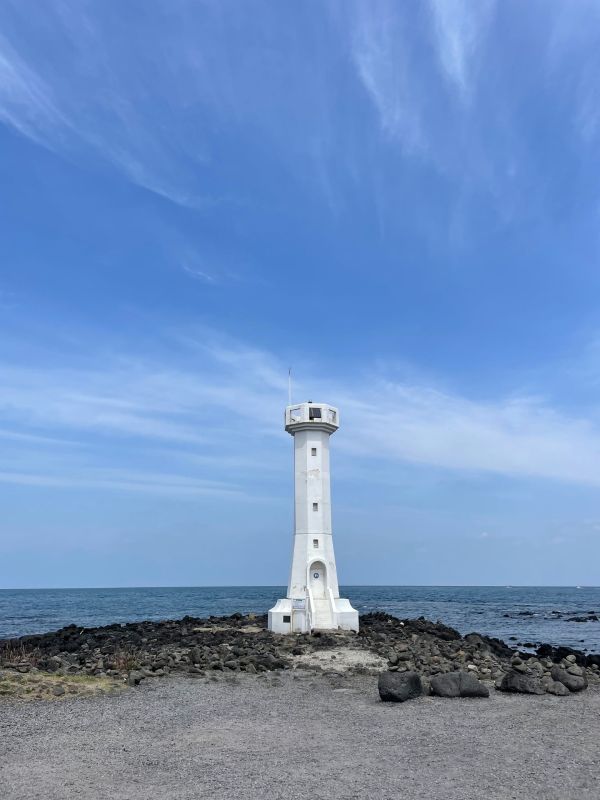
✦ Udo Island is the biggest island near Jeju and is called "Cow Island" because one of its hills looks like a resting cow. The island is known for its peanuts, and you can enjoy yummy snacks like peanut ice cream and peanut beer there.

✦ Gamcheon Culture Village in Busan, South Korea, began as a poor neighborhood built by people who fled their homes during the Korean War.
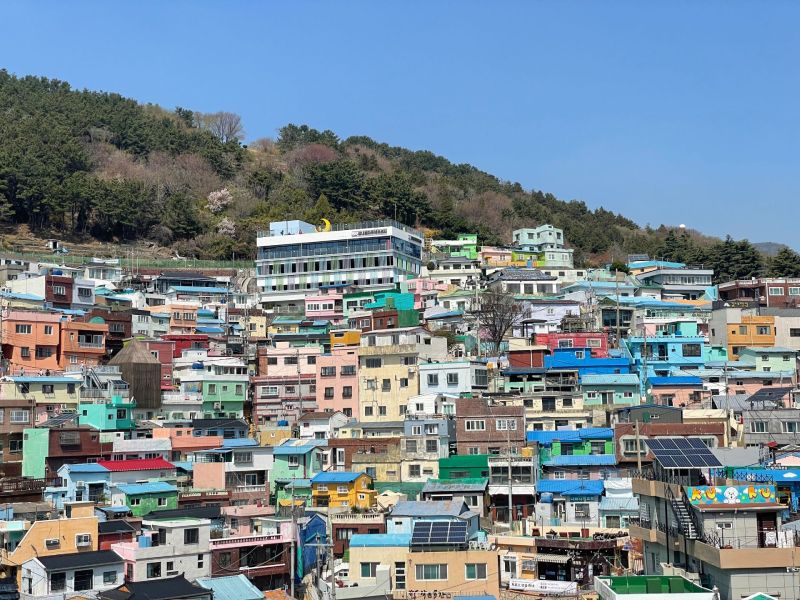
✦ At first, the village had no proper city planning, poor roads and services, and small, basic homes. Over time, many young people moved away, so the population dropped, leaving mostly older residents and many empty houses.
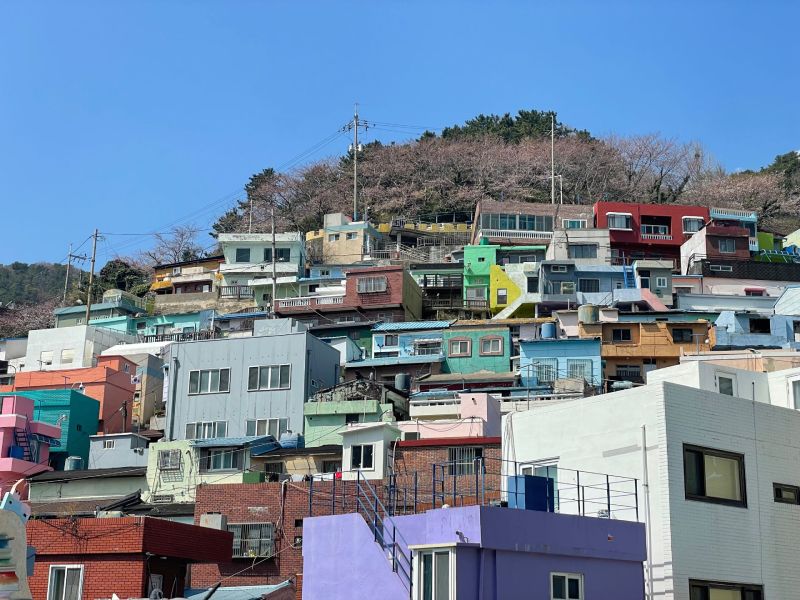
✦ Over time, the village struggled with problems like bad living conditions and high poverty levels. But in the 2000s, local artists and the government worked together to improve it. They added colorful murals and promoted art, turning Gamcheon Culture Village into a popular place for tourists to visit.
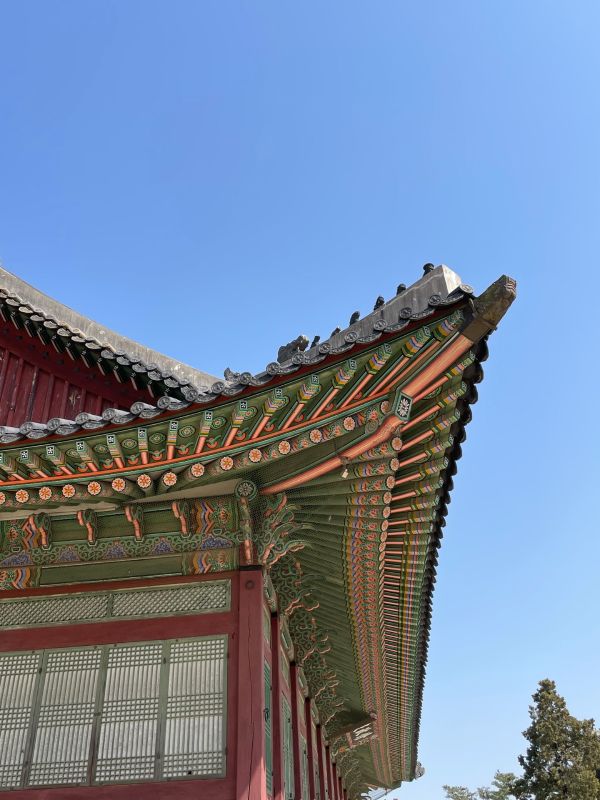
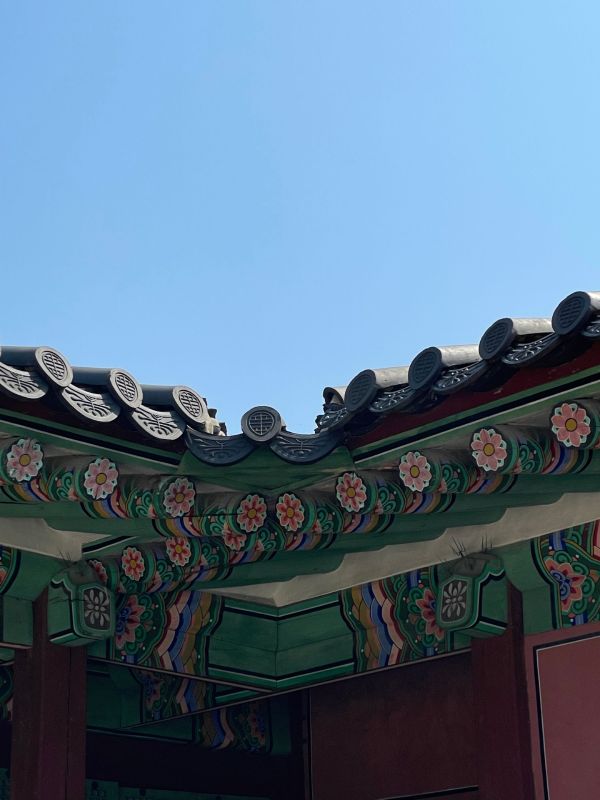
✦ Gyeongbokgung Palace means "Palace greatly blessed by heaven." It was built three years after the Joseon Dynasty began and represented hopes for a successful and prosperous future.
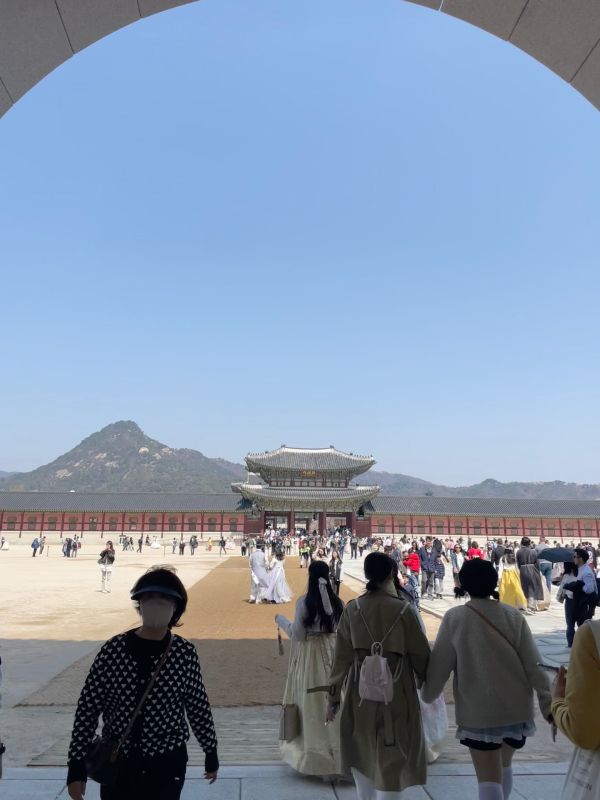
✦ It was the largest palace of the Joseon dynasty and many kings were crowned here.
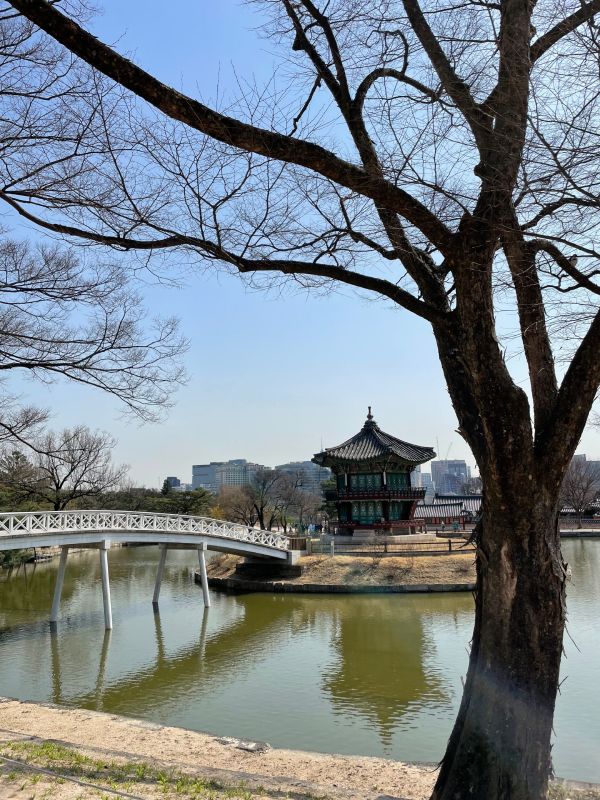
✦ Until the 15th century, Koreans used Chinese characters for writing, but they were too hard for most people to learn. So the fourth king, Sejong the Great, made a new 28-letter alphabet called Hunminjeongeum. It later became the Korean alphabet we know today — Hangul — which now has 24 letters. Hangul was created right here.
✦ Today, many people, both locals and tourists, visit the palace dressed in traditional Korean hanbok to experience what life was like in old Korea.